
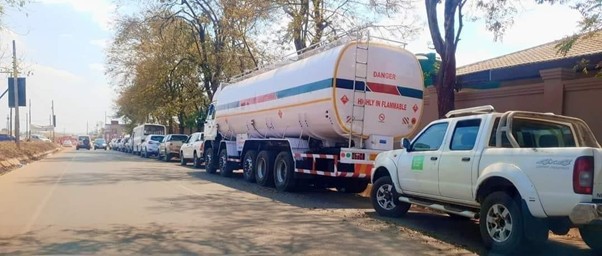
There is nothing new about fuel shortages in Malawi, but this time it is different, and much worse. In the past, it tended to be one city affected at a time, but right now there are nationwide shortages and it’s a huge problem. For me, it’s just about getting out to projects and meeting people – the work I came here to do. But for our partners and farmers, there are real questions about how you can do business? How do you get crops with limited shelf life to market? And much more.
Fuel problems dominate a lot of conversations and I often get asked my opinion about the Iran war. The fuel issue is complex in Malawi, but there is no doubt that spikes in oil prices have exacerbated the underlying issues. Back home, I have strong political opinions (along the lines of, “It doesn’t matter who you vote for, the Government always gets in”) but in Malawi I try to keep quiet on such things. I batted back the question last week and asked my friend what he thought about it, and the injustice of Malawi suffering because of a war in which it has no say. He quoted an old African proverb, “When the elephants fight, the grass gets trampled.” Indeed.
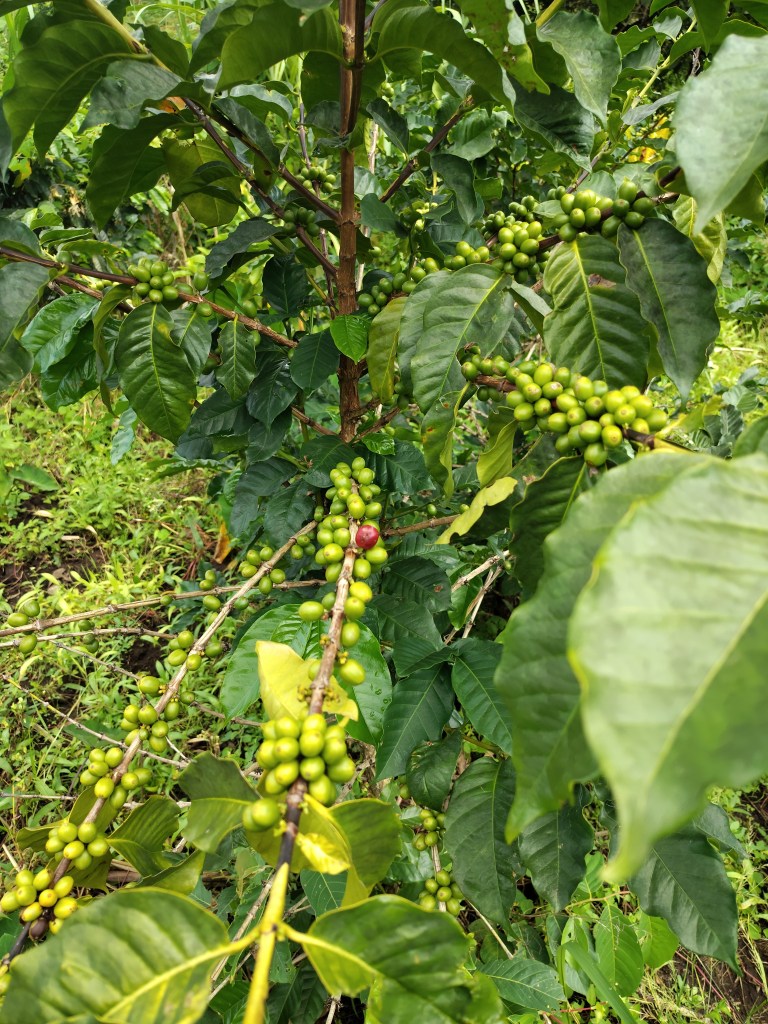
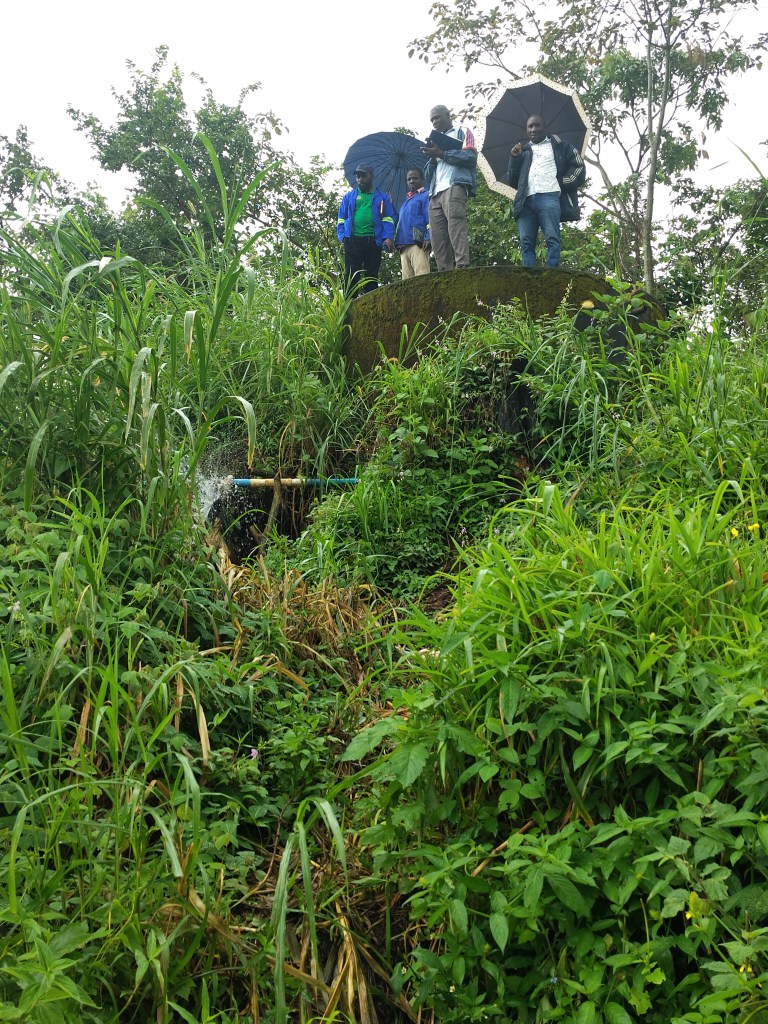
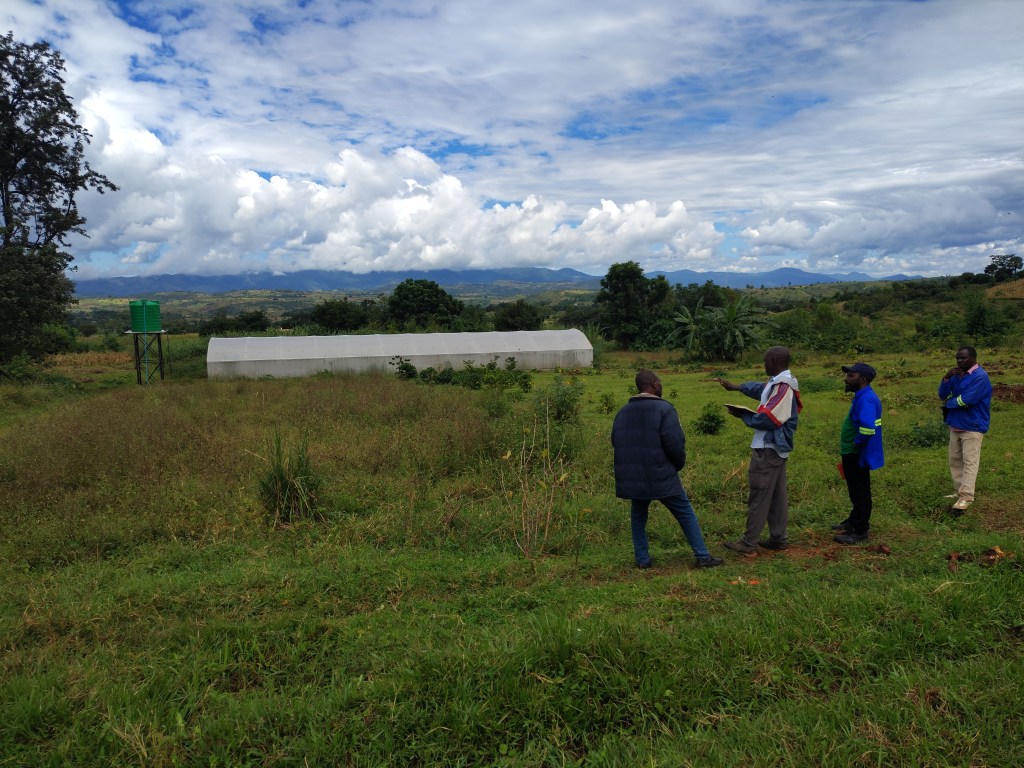
Last Thursday, Atusaye and I went to visit the Henga Valley, a particularly fertile area about 50 miles north of Mzuzu. A UN agency is aiming to irrigate 200 hectares of land to enable 13 local co-operatives to grow high-value coffee for export. Malawi desperately needs more export crops to generate foreign currency to buy fuel and coffee fits the bill. We are installing drip irrigation on the first demonstration plot and, hopefully, will follow on with another 12 plots for the co-operatives. Overall, it seems to be a great initiative.
However, the Ukraine war, and now the Iran war, have disrupted not only fuel supplies but also fertilisers, which are linked with fuel. How can you grow to high standards and export quality without access to the correct inputs? The elephants are fighting and the coffee gets trampled. Pray for peace.
 Malawi Fruits
Coffee is a key, high value, product for export. Delighted to learn Mr Atusaye and MFT are irrigating this land. MFT will be fortunate to replace irrigation equipment if its imported. Best wishes
LikeLike