
It is always amazing to me that the work of Malawi Fruits, ever since we began in 2011, has been supported by a such a vast array of good-hearted people. We have individuals who support through regular gifts; gifts from churches all around Scotland; we have had four different national governments support us over the years; United Nations support; and support from companies in Sweden, the UK and the USA. We are grateful for the trust that people place in us, but it is also a reflection of the love and care that people have for Malawi and her people.
This week I have been scoping the potential for a project we are planning with two Rotary Clubs in Scotland. Our Rotary friends in Perth and Ayr are keen to help with raising funds for a rainwater harvesting initiative which will capture water during the rainy season so it is available for irrigation throughout the year.
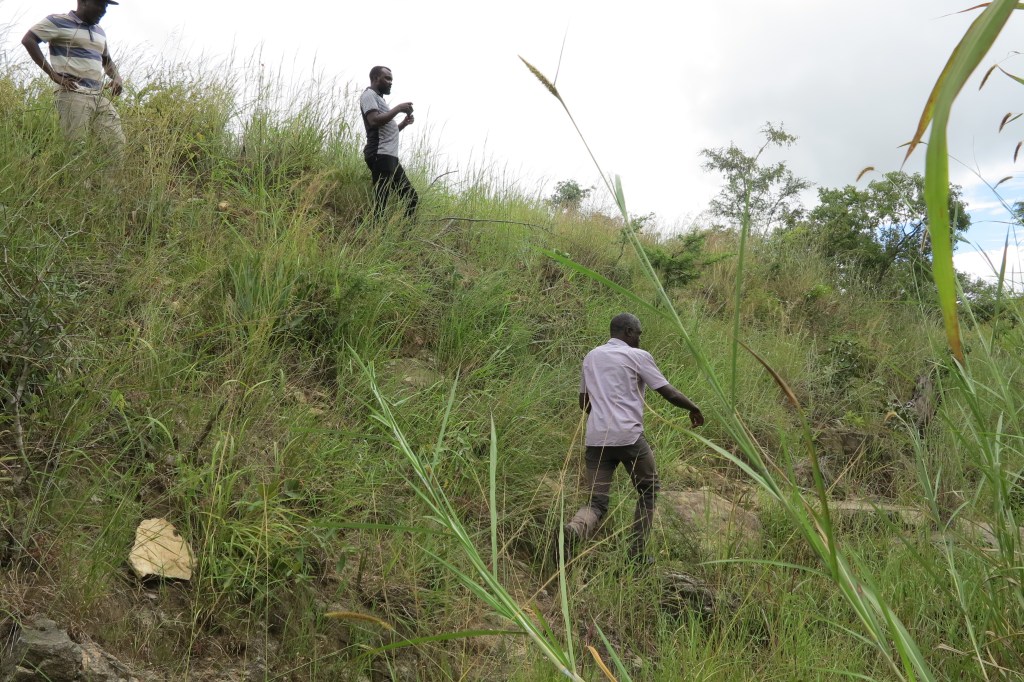
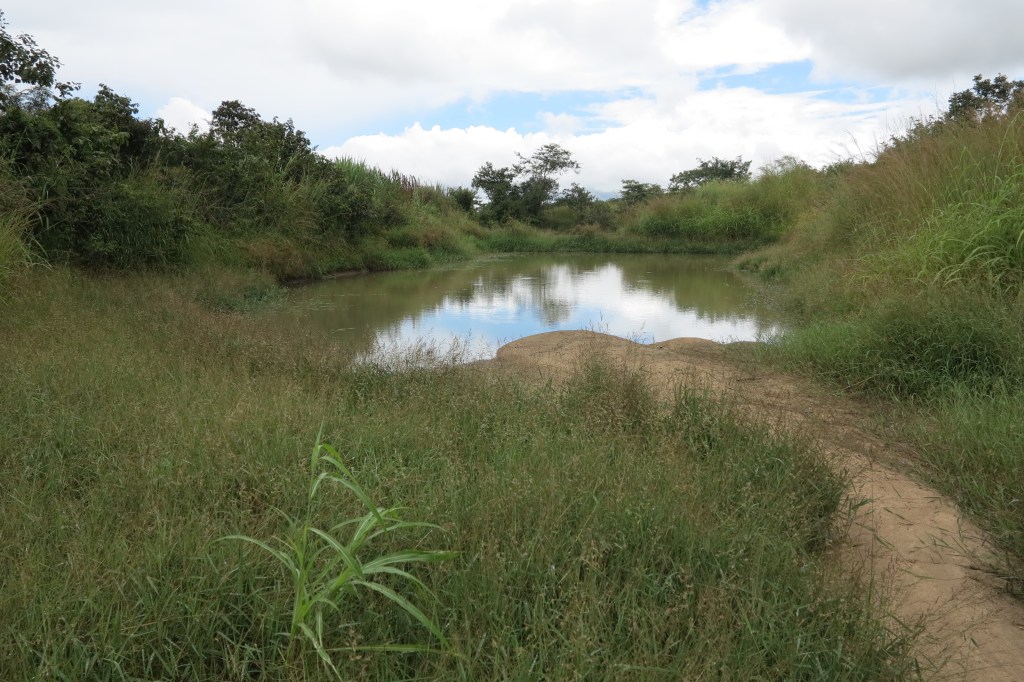
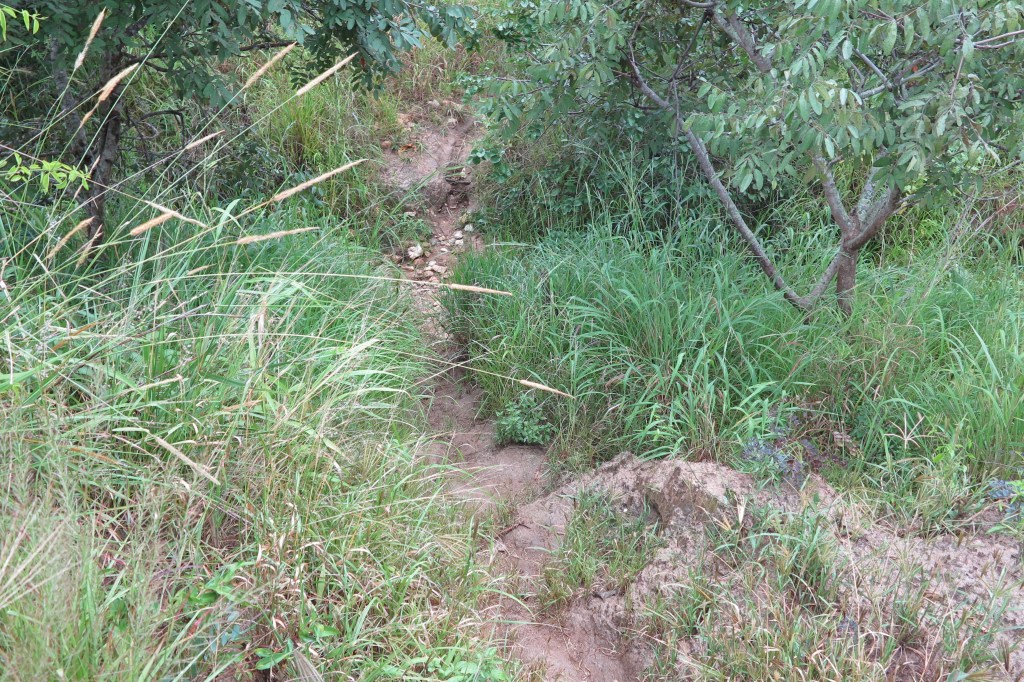
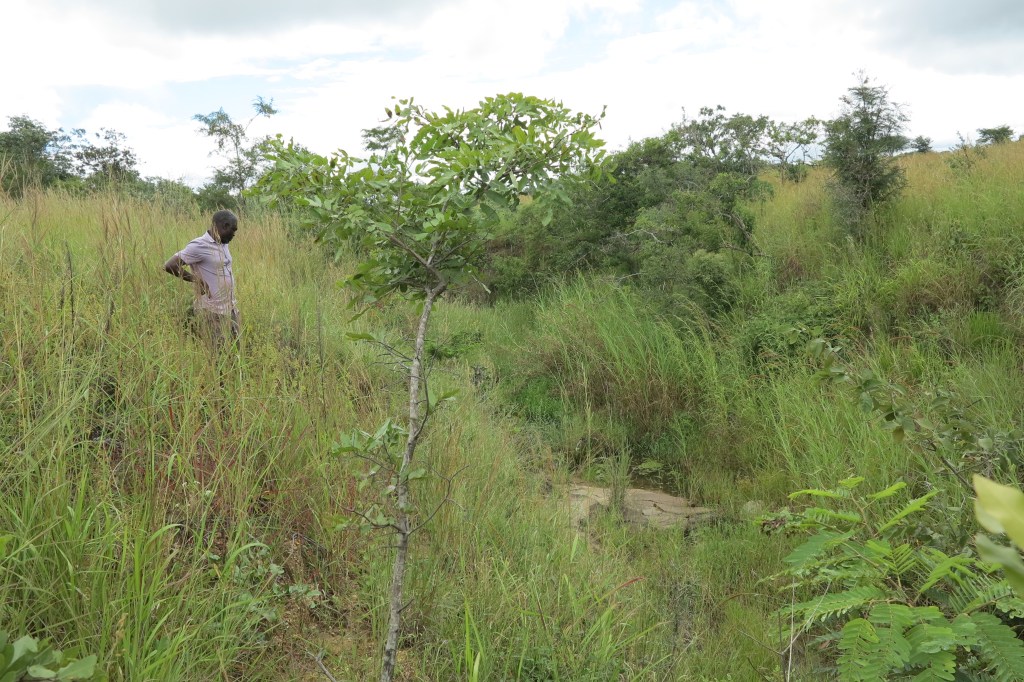
Our farm at Luvwele is developing into a centre of farming excellence and more and more we are hosting visitors who want to see modern farming technology in practice. We are especially excited when students from the agricultural university come and get an opportunity to be “hands on” with our tractor, solar irrigation, drip & sprinkler stystems and much more. Demonstrating rainwater harvesting is really important as a learning opportunity but will also allow us to increase the amount of land we can cultivate in the dry season.
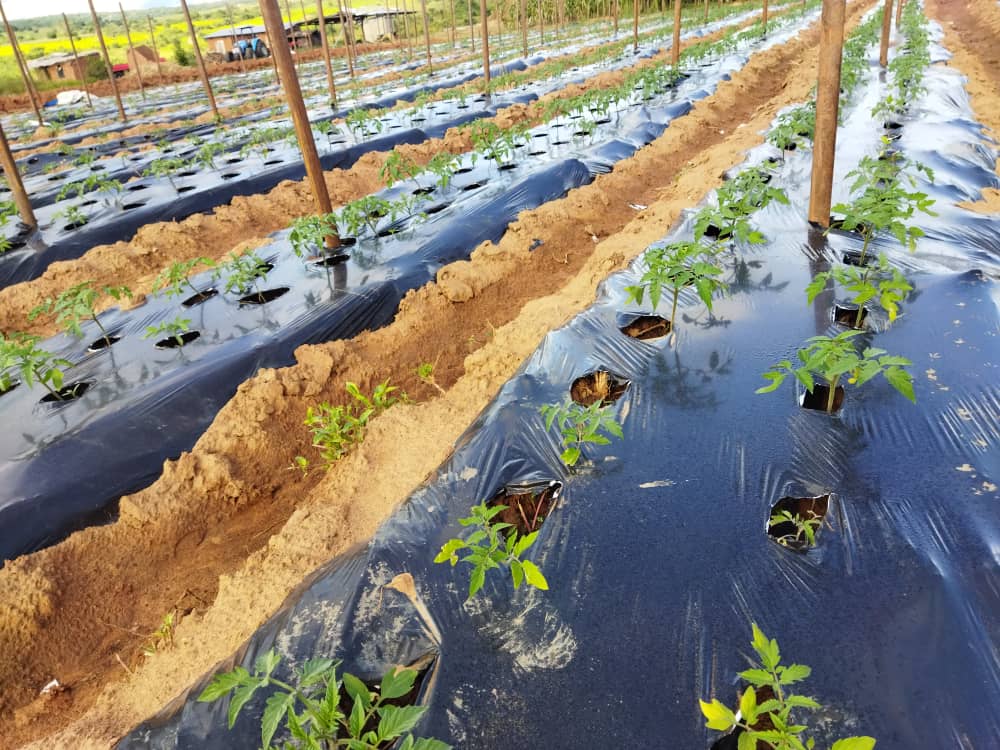
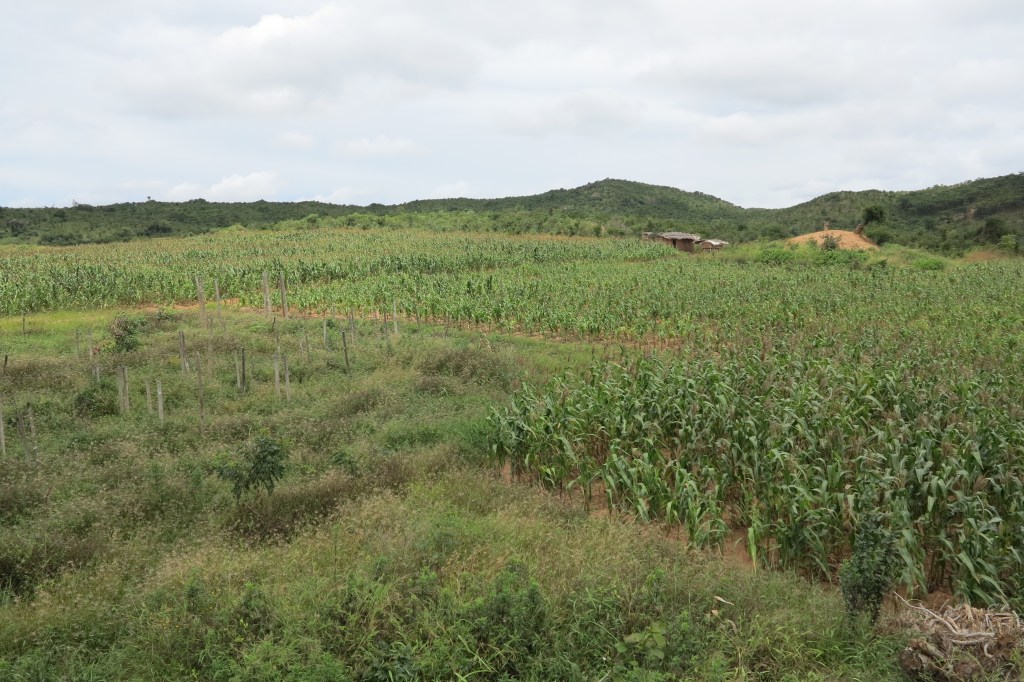
While at the farm, it was great to see a lot of very healthy maize fields as well as some professionally grown tomatoes using drip irrigation and mulching film to manage disease and retain moisture. Malawi needs a lot more of this kind of farming and we are pleased to demonstrate it.
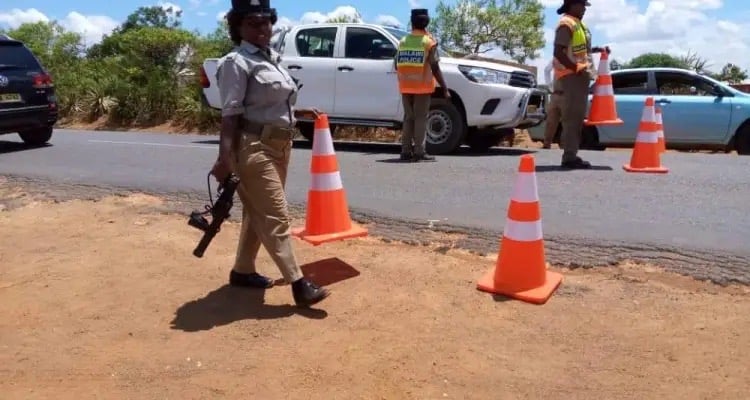
I drove the 5-hour journey from Mzuzu to Lilongwe yesterday and lost count of the number of times I was stopped at police checkpoints. I used to be intimidated by the guns and the interrogative tone, but it’s amazing what you get used to and what a lot of smiling and, “Hello, how are you?” can do.
The officer asked to see my licence and when he read it he said, “You are Scottish!” I assured him I was. He then said, “You know Dr Livingstone?” I told him the David Livingstone is a hero of mine. He said, “He is our brother”, then smiled and waved me on.
I have friends and acquaintances back home who think Livingstone was a nasty colonialist and that we should be apologising for the work of missionaries and others from previous centuries. It’s funny that these same people urge us to, “listen to the black voices.” Well I’m listening to my friendly policeman and am happy, like him, to consider Livingstone a brother and inspiration for this work.
 Malawi Fruits
Sent from my iPhone
LikeLike
Rainwater harvesting is a really good idea. Is there anyway of covering it in the dry season, with polythene or other material, and reduce losses by evaporation? As water evaporates anything dissolved in it will become more concentrated. Maybe good to monitor that, particularly for salt-sodium chloride. But great move. Using drip irrigation also makes far better use of available water, by targeting it onto crop plants
LikeLike