
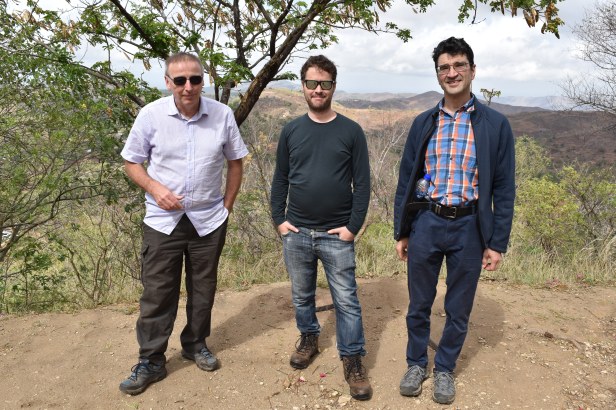
The last five days in Malawi have been a whirlwind of meetings, visits to projects and villages, and technical discussions about biogas, electricity and much more. I’m travelling with Tim Smeda, the owner of Hypergen Ltd, and Dimitri Mignard, a chemical engineer from Edinburgh University and my good friend Charles Govati has been our guide. Charles is a force of nature and must be the best-connected person in Malawi: he has done an amazing job setting up meetings and learning opportunities for us.

Only 11% of Malawians have access to electricity and we want to make a contribution towards changing that. We literally want to bring some light into the darkness in homes in Malawi, as well as providing power for productive uses for entrepreneurs. In June we started a research project funded by the UK government and it centres around a turbine generator that Tim has invented (he is an aerospace engineer) which is designed to run on biogas. We have been visiting a few of the growing number of biogas projects in Malawi to learn from the users and better understand the potential for the generator. Mostly people are producing biogas from their cow dung and they got very excited at the prospect of being able to turn dung into electricity!

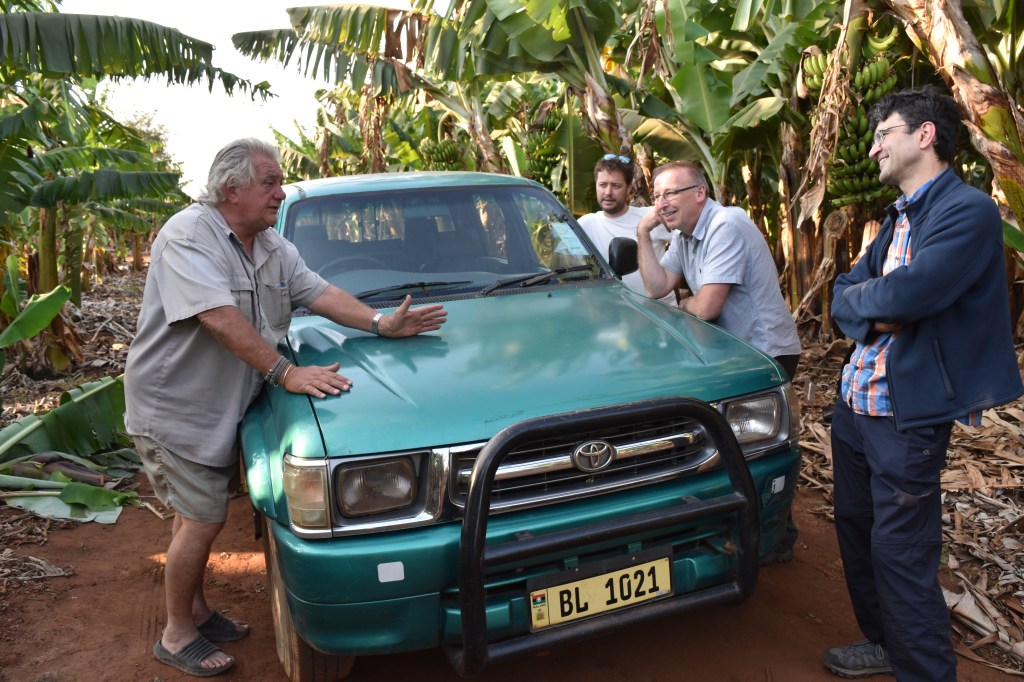
We have been to remote, off-grid villages; a large banana farm; a solar mini-grid project; as well as visiting biogas suppliers and academics in their offices. For me, it is a privilege to travel with two seriously smart engineers but it has been great to see the way that they have been able to learn from Malawian colleagues too. We are very much in this together.
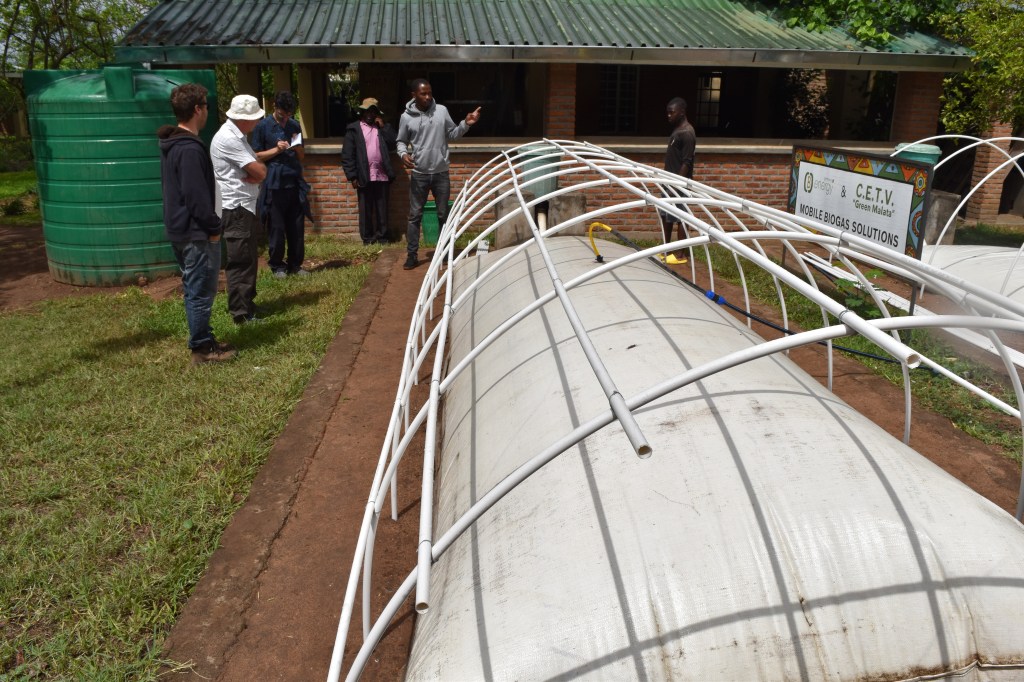


Malawi Fruit’s mission is to bring Good News to the poor through empowering farmers to access new technologies. The biogas generator will have many applications and one is to use farm wastes to produce biogas, to power the generator, to pump the water for irrigation. Much more on this in the coming days!
 Malawi Fruits